By Alex R. · Updated 2026-08-17 · 12 min read
Getting a working tvpass setup usually takes longer than it should. The official documentation is thin, the screenshots age fast, and forum threads mix genuinely useful advice with straight dead ends. This quick-start guide shortens the process into one linear path: install, configure, optimize, verify.
You don't need prior experience side-loading apps or handling playlist URLs. The steps below use plain language, call out the exact places where beginners trip over, and give you a clear test to confirm the setup actually works. If you're still weighing your options, the troubleshooting section also acts as a practical tvpass review—because a service is only as good as its setup experience under real network conditions. By the time you scroll past the FAQ, you'll know how to install tvpass cleanly, what to do when it buffers, and what each menu option actually changes.
What You'll Have Working by the End of This Guide
After one focused session, you'll have tvpass running on your main device, a playlist that loads cleanly, EPG data filling the schedule view, and playback settings tuned specifically for your connection. Beyond the initial install, you'll know how to spot a fake download link, how to test whether the service is having a regional outage, and how to move the same setup to a second device without repeating your first round of mistakes.
The secondary benefit is speed. Because you'll have built a mental model of how the app works, future installs—on a friend's Fire Stick, a spare TV, or a travel tablet—take about five minutes instead of a frustrating hour. That's the real value of learning the correct sequence once instead of patching errors reactively.
What You Need Before Starting
Keep this mechanical. Gather the following, and the setup becomes a simple copy-and-paste exercise:
- A compatible device. Fire TV Stick, Android TV box, smart TV, tablet, or phone. Windows and macOS work well too if the plan includes a desktop app.
- An active tvpass subscription. If you plan to run three screens at the same time, choose a multi-screen plan from the start. The best tvpass subscription for most people is the middle tier—single screen works but leaves no room to test on other devices.
- Login details. Username, password, and the M3U or Xtream Codes URL from the confirmation email. Store that email somewhere searchable.
- A stable internet connection. Aim for 80 Mbps or above where possible, particularly if you want 4K streams without constant quality drops.
- A VPN that runs on your device. It won't fix every buffer problem, but it's often the difference between a smooth evening and a "tvpass not working" situation with no clear root cause.
You do not need a laptop to configure a TV. Most tvpass plans include a web portal where you can manage devices and regenerate URLs—useful when your playlist links expire or you want a clean copy of the connection string.
Step 1: Install tvpass and Watch for Lookalike Downloads
The safest source is the one that came with your purchase confirmation. Open the email, find the download link, and use that exact address. If you bought from a reseller, the link is usually an app file ending in .apk plus a short setup guide in PDF form.
You will be tempted to search "download tvpass free" and pick the first result. That is where the trouble starts. Fake mirrors serve the same app wrapped in adware, or worse. Watch for these four warning signs:
- The website URL looks close to the official one but has an extra word or a different domain extension.
- The app asks for SMS, contact, or location permission during first launch. The genuine app needs network access and storage; nothing else is justified.
- The installation takes over three minutes on a fast connection—a reliable sign the file is bloated with unwanted code.
- The developer name in the app details appears as random characters or a generic "Unknown."
On Fire TV Stick or Android boxes, enable "Install unknown apps" from the device settings before side-loading. On a phone, allow the same permission inside your browser's settings. The pattern is identical for any tvpass alternative you might compare later, so learning it once pays off across providers.
Keep the downloaded file on external storage as a backup. If the service pushes an update that breaks on your device, you'll want the previous version on hand before installing anything new.
✓ Benefits & Pros
Multi-device coverage: Fire TV, Android, iOS, PC on one subscription.
Fast channel switching once the buffer settings are configured.
EPG included—no separate schedule source to maintain.
Affordable compared with premium IPTV competitors on monthly billing.
✗ Limitations & Cons
Side-loading required on many TVs, which feels advanced for new users.
Support can take over 24 hours to reply during weekends.
No built-in DVR on all plans—verify before you buy.
Stability depends on the reseller network, so choosing where to buy tvpass matters.
RECOMMENDED RESOURCE
tvpass
Compare premium line configurations and promotional limits.
Check Out tvpass Deals →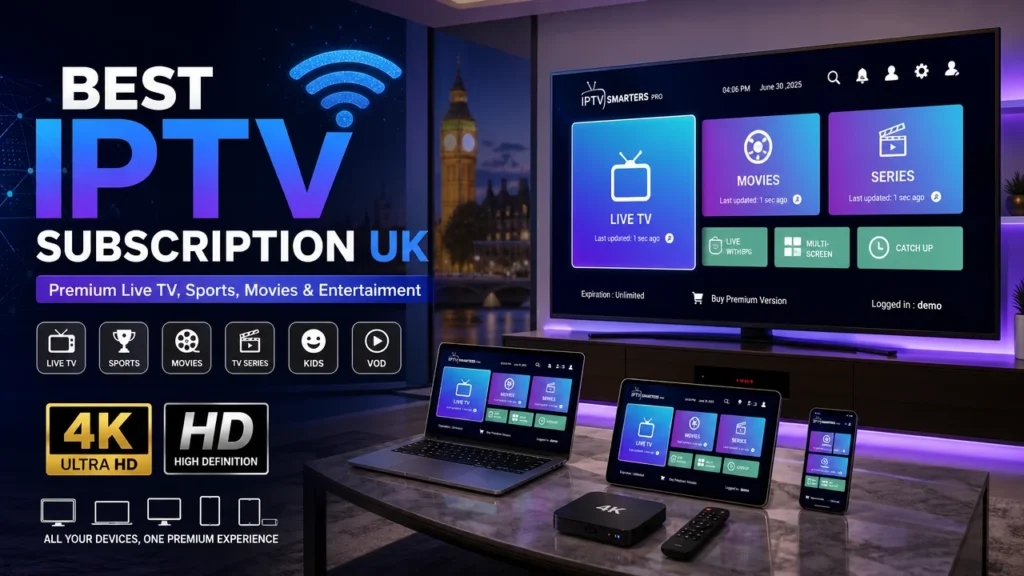
The screen you see in Figure 2 is where the real configuration begins. Your channel list, movie library, and schedule all depend on the connection details you paste in the next step. Take your time here; a clean connect now saves you an hour of debugging later.
Step 2: Connect the Playlist Without Making the Four Classic Mistakes
Your main goal is to get the channel list into the app. Open the tvpass settings, choose "M3U URL" or "Xtream Codes" depending on what your email contains, and paste the connection link into the appropriate field.
Here are the four classic mistakes and how to avoid them:
Mistake one—hidden spaces. If you copy a URL from a messaging app, some chat apps wrap the line and insert an invisible space. Tvpass accepts the paste, but the connection silently fails. Fix: paste the URL into a plain-text editor first, then copy it again from there into the tvpass field.
Mistake two—HTTP vs HTTPS confusion. Some tvpass installs use the exact protocol from the original email. If the link starts with http:// and you retype it as https://, the handshake fails before the app can load anything. Copy the whole string; don't retype it.
Mistake three—ignoring the device limit warning. If the app says the playlist is already in use, your plan likely has a one-stream or two-stream cap. Log into the customer portal, remove inactive devices, and retry.
Mistake four—skipping the EPG URL. The channel list can load perfectly while the schedule stays empty because the EPG link is a separate line. If you don't see upcoming programs, go back to the confirmation email and add the EPG URL to the matching field before you test again.
Step 3: Optimize the Stream Like a Seasoned Viewer
The difference between a decent experience and a miserable one is rarely the tvpass app itself; it's the environment around it. These three adjustments give you the most noticeable stability gains.
1. Set a realistic buffer size. In the player settings, raise the default buffer from 2–3 seconds to about 10 seconds if you use Wi-Fi. On a wired Ethernet connection, keep it at 3–5 seconds for faster channel switching. The trade-off is simple: a larger buffer means slower zapping but fewer mid-stream freezes.
2. Turn on hardware decoding if you see green screens or hitches. This toggle offloads video decoding to the device's GPU. If your device is older, software decoding can actually be more compatible—test both on the same busy channel and keep whichever holds stable.
3. Route your traffic through a VPN connected to a nearby server. Some ISPs throttle IPTV-style streaming during peak hours, which causes "tvpass not working" moments at exactly the same time every evening. A VPN masks the stream type and usually restores smooth playback instantly.
Also consider whether you selected the right server. Xtream Codes connections often list multiple servers per region. Choose the one with the lowest latency shown in the customer portal, not necessarily the one closest on a map.
Step 4: Final Verification of Your tvpass Setup
Run these seven checks before you call the setup done:
- Channel zap: switching between channels takes no more than 3–4 seconds.
- EPG populates: today's schedule shows for the channels you actually watch.
- VOD thumbnails: movie artwork loads on the "Movies" tab within a few seconds.
- Sound sync: audio matches lip movement on a live news channel.
- Favorites save: your marked channels survive a full app restart.
- Parental controls: the PIN is set if kids will use the device.
- Second device: install and connect the same tvpass subscription on another screen to verify the device limit.
If you cleared all seven, your setup is complete. But let's be realistic: most people get stopped at one of these checks, so the troubleshooting section below is for exactly that situation.
tvpass vs IPTV Alternatives at a Glance
Before switching providers after one rough evening, use this comparison table to see where the problem is actually coming from. It contrasts tvpass with two common routes: free IPTV playlists and premium IPTV subscriptions.
Unlock complete high-definition information instantly here.
Explore tvpass Plans →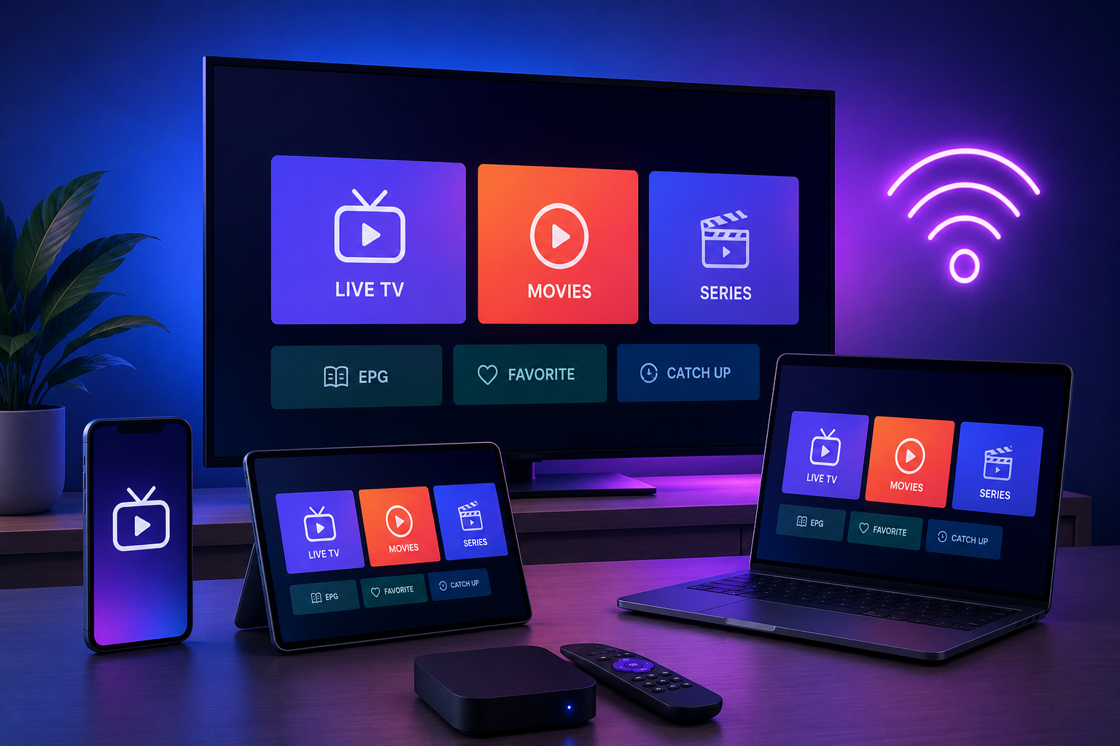
After applying the optimization steps above, your video should look like Figure 3: stable, no buffering spinner, and consistent quality for at least ten consecutive minutes. If the picture freezes or drops back to a low resolution on a regular cycle, the issue is usually network-related, and the next section is where you'll find the fix.
Troubleshooting: Why Is tvpass Not Working?
Let's walk through the most common failures and the actual fixes you can apply in order.
Buffering every 60 seconds. Switch the VPN region or disable the VPN entirely for a test. Restart your router, then open tvpass again. If the app has a network mode option, change it from TCP to UDP or HTTP and see which behaves better on your line.
App closes immediately on launch. Clear app data, not just the cache. If that doesn't help, uninstall and reinstall from your original download file. Many instability cases trace back to a corrupted partial download, so redownload from the official source and compare the file size in your device's storage.
EPG stays empty. Confirm that the EPG URL comes from the same confirmation email as the playlist URL, not from a third-party aggregator. Some builds also need the correct timezone set in the app before the schedule grid populates.
Error or 404 on every channel. Your playlist link may have expired. Regenerate the URL from the customer portal and paste the fresh string into the app, then restart the connection.
Audio plays but the screen stays black. Toggle the player engine between ExoPlayer and VLC in the app's playback settings. Certain Android builds handle codecs differently, and switching the engine resolves most black-screen cases.
Complete Setup Checklist at a Glance
Beyond the Setup: Long-Term Maintenance
Once everything works, don't expect it to stay perfect forever. IPTV services change servers, update URLs, and occasionally push app updates that reset your player settings. A quick, deliberate maintenance routine prevents most surprises.
Once a month, refresh the EPG from the app settings. Once every two months, check the customer portal for an updated playlist URL. And after every major tvpass update, revisit Step 3 to confirm your buffer and decoder settings survived the upgrade.
Featured Streaming Selection:
See tvpass Pricing →Affiliate Disclosure: Clicking this secure link verified by our network supports our team through standard partnership terms at zero extra cost to your invoice.
Frequently Asked Questions
This article contains affiliate links. Our editorial analysis remains independent.